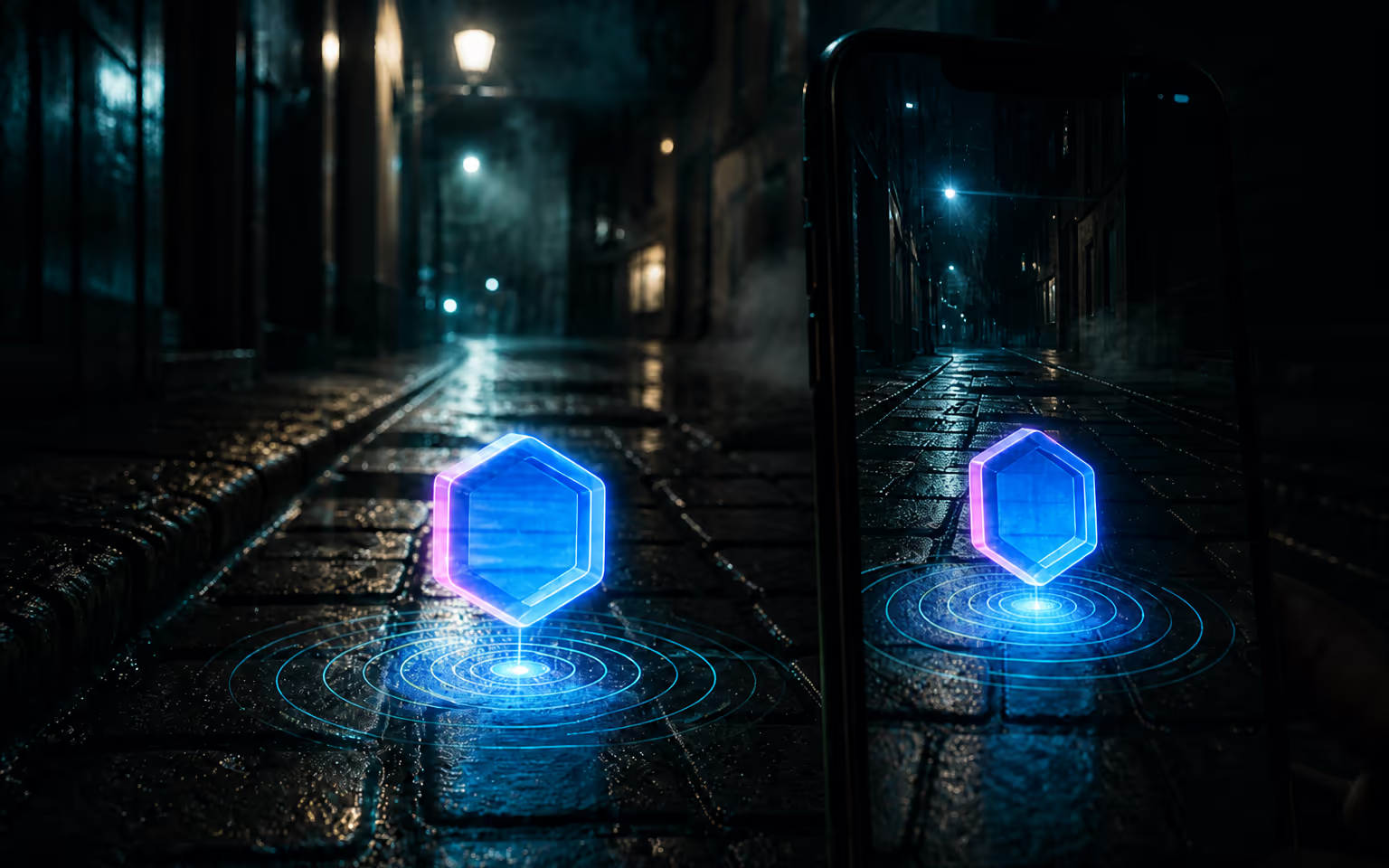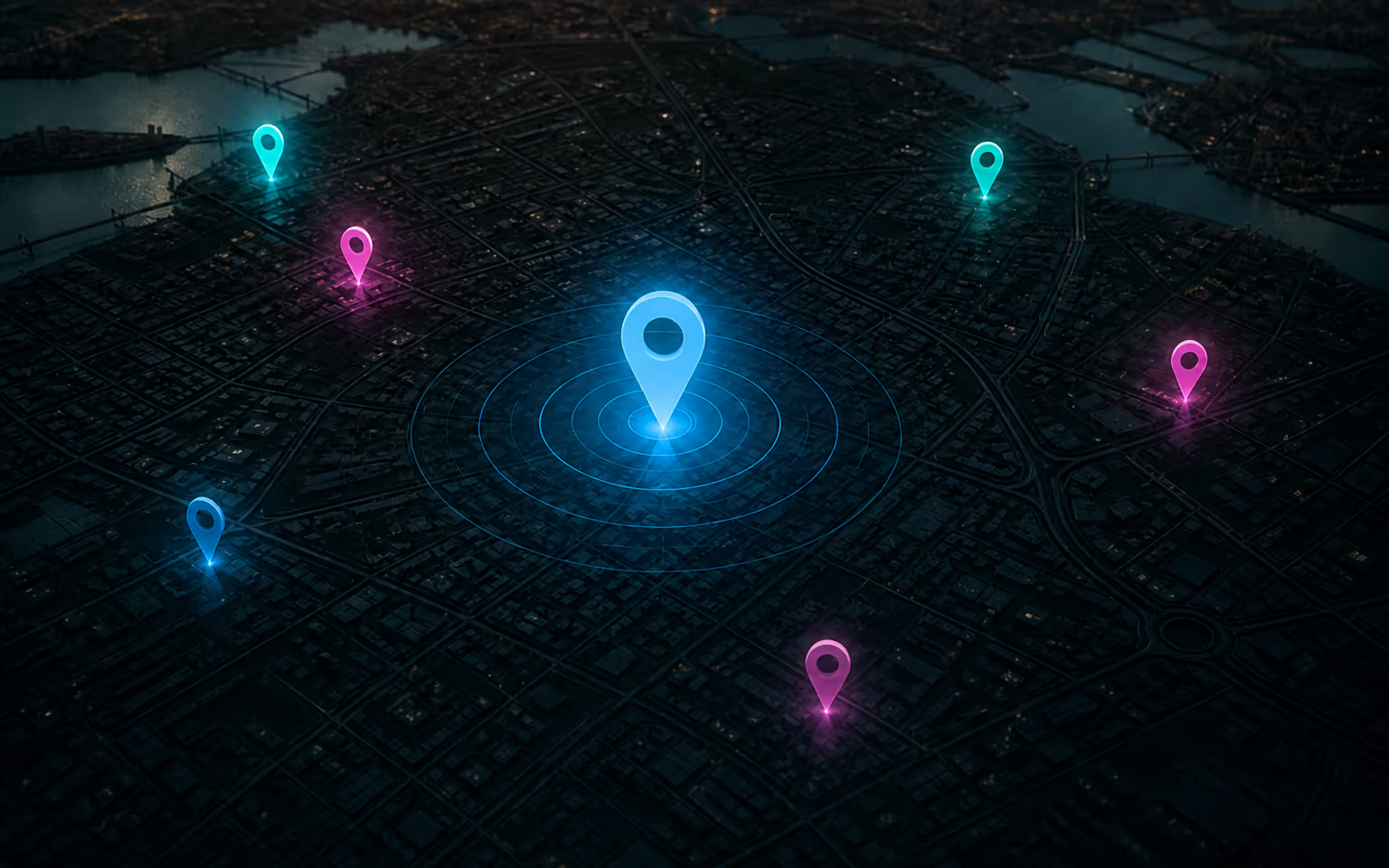
AR konum kampanyaları hakkında zaten duyduğun sunum (doğrulanmış gerçek dünya erişimi, medya olarak dijital varlıklar, yeniden hayal edilmiş perakende anı) bu yazı değil. Bu yazı, o sunuma zaten ikna olmuş ve şimdi brief'e ne yazacağını bilmek isteyen kişi için. Bir manifesto değil, bir çalışma rehberi; bunlardan birkaç yüz tane yürütmüş ve nerede başarılı olup nerede öldüklerini bilen bir platformun bakış açısından yazıldı.
Markalar bunları 2026'da neden yürütüyor? Kısa cevap: gösterime karşı doğrulanmış ziyaret. CPM ile faturalanan bir reklam panosu, doğru demografiye sahip birinin arabayla önünden geçmiş olma ihtimali için ücret alır. Bir AR konum kampanyası ise birinin fiziksel olarak kapına kadar yürüdüğü, markanın uygulamasını ya da bir iş ortağının uygulamasını açtığı ve oraya yerleştirdiğin bir şeyi topladığı gerçeği için ücret alır. Birim ekonomileri doğrudan kıyaslanabilir ve artık bağlantın olan cüzdanı saymadan bile doğrulanmış varış başına maliyette çoğu zaman öne geçer.
Bir kampanyanın alabileceği üç biçim. Tek noktalı drop: tek bir adrese yerleştirilmiş, kısa bir süre yayında kalan, sahip olmaya değer bir şey. Çok şehirli bayrak yarışı: bir zincirin her şubesinde aynı drop, bazen bir yarış unsuruyla. Etkinlik katmanı: bir festival, spor etkinliği ya da konferans süresince belirli bir mekâna dağıtılmış droplar. Yürüttüğümüz her kampanya bu üçünden birinin bir varyasyonu ve hangi biçimde olduğunu bilmek brief'teki neredeyse her şeyi değiştirir.
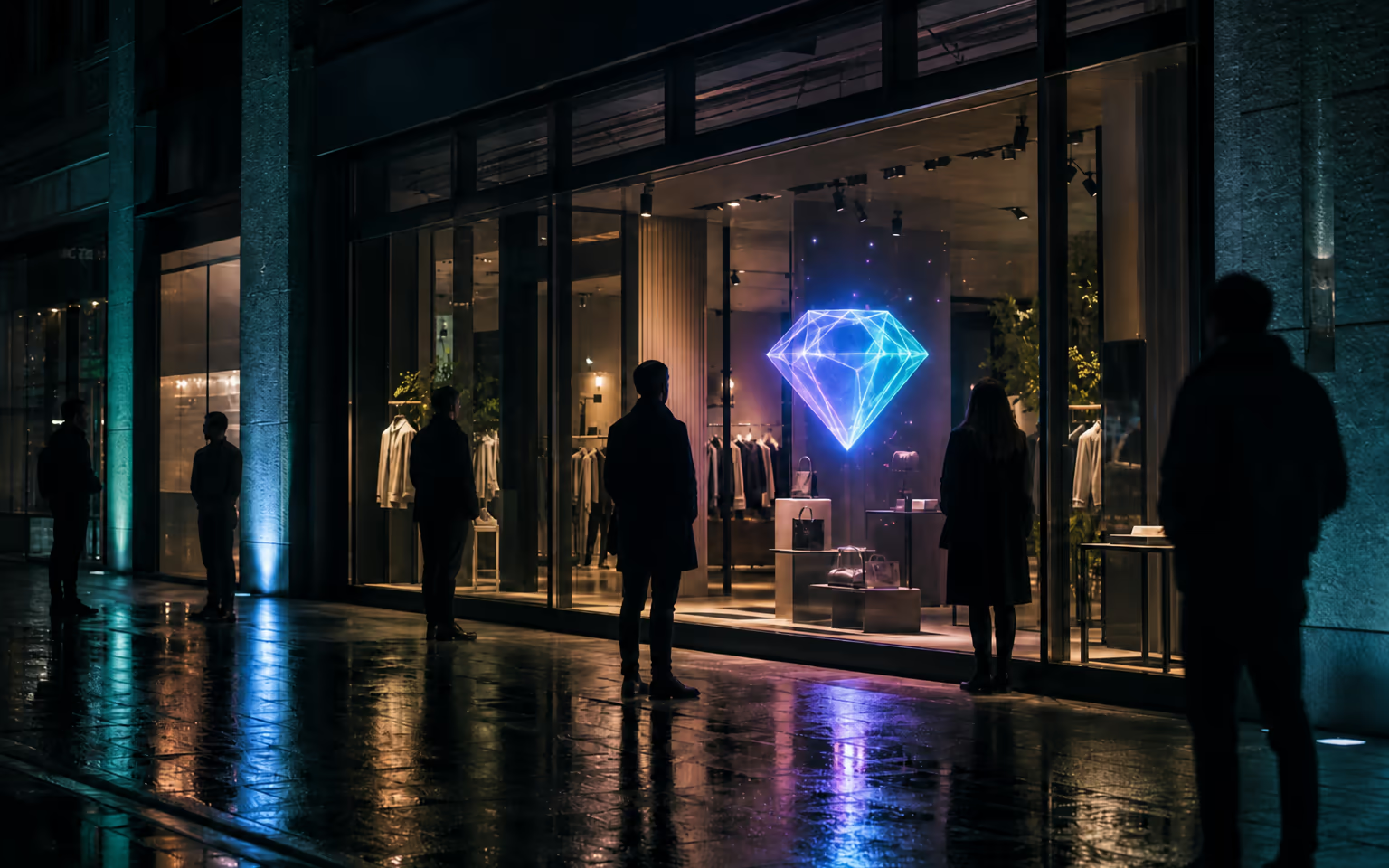
Birinci biçim, pratikte. Bir amiral mağaza, vitrine yalnızca AR uygulamasıyla görülebilen ve yalnızca mağazanın içinde toplanabilen sınırlı seri bir varlık yerleştirir. Tipik versiyonu yüz adet, iki saatlik bir süre ve bir cumartesi öğleden sonrası. Ödül bir kupon, bir koleksiyon NFT'si, bir token ya da başka bir şeye erişim olabilir. Önemli olan, sürenin kalabalığın oluşacağı kadar dar olması: önünde elli kişiyle yirmi dakikada tükenen drop, basının yazdığı droptur.
İkinci biçim, pratikte. Bir kahve zinciri, bir lansman haftası boyunca kırk sekiz şubesinin her birine iki euroluk bir kredi yerleştirir. Şubeye göre farklı ödüller tamamlamacıları bağlı tutar; bir liderlik tablosu ziyaret sayısını takip eder. Bu, ilginç rakamın toplam toplama sayısı değil, üçten fazla noktayı ziyaret eden kullanıcılar olduğu bir kampanya türüdür: marka artık onlara e-posta gönderebilir, onları bir sonraki kampanyaya yönlendirebilir ya da sadakat üyelerine dönüştürebilir. Brief bu rakamın etrafında kendiliğinden yazılır.
Üçüncü biçim, pratikte. Bir müzik festivali her sahneye ve iki yemek alanına markalı koleksiyon parçaları yerleştirir. Katılımcılar dolaşırken onları keşfeder. Asıl amaç koleksiyon parçasının kendisi değil (katılımcıların çoğu hepsini ziyaret etmeyecek); festivalin markasının uygulamada ve en az birini toplamış her katılımcının cüzdanında olması ve festival bittikten sonra da orada kalması. Etkinlik katmanları, etkinlik sonrası kuyruğu en uzun olan kampanya biçimi.
İşleyen bir brief gerçekte neleri içerir? Altı şeyi ve başka hiçbir şeyi. Koordinat ya da koordinatlar. Toplama yarıçapı (bir mağaza kapısı için beş metre, bir festival alanı için beş yüz). Tek cümleyle tarif edilmiş ödül. Haftalar yerine saat ya da gün cinsinden süre. Üst sınır: kaç kopya olduğu ve bittiklerinde ne olacağı. Ve tetikleyici; genellikle kullanıcının yarıçapın içine girdikten sonra ödülü almak için uygulamada yaptığı belirli bir eylem. Bu altısının ötesindeki her şey isteğe bağlı. Bu altısı olmadan hiçbir kampanya işlemez.
Ödül matrisi. Ödüller dört kategoriye ayrılır ve hangisinin seçileceği brief'teki en önemli karardır. Fayda tokenları (belirli bir coinden küçük miktarlar) anlatması kolay, fazla dağıtması da kolaydır: her hafta aynı tokenı airdrop eden marka, kullanıcılarına o tokenın değersiz olduğunu öğretir. Koleksiyon NFT'leri, sanat gerçekten güzel olduğunda, ideal olarak kitlenin tanıdığı bir sanatçıdan geldiğinde en iyi sonucu verir; kötü bir koleksiyon parçası hiç olmamasından daha kötüdür. Kuponlar iyi çalışır ve hukuken en karmaşık olanlardır; paraya çevrilebilecek herhangi bir şey yerleştirmeden önce hukuk danışmanına sor. Deneyim erişimi (sırayı atlamak için bir bileklik, restoranda bir masa, ön sırada bir koltuk) en iyi dönüşümü sağlayan ve lojistiği en zor olan kategori.
Bütçe hesabı. Maliyeti düşünmenin yolu drop başına değil, doğrulanmış varış başına. Her biri beş euro değerinde yüz ödül yerleştiren bir kampanya beş yüz euroluk bir bütçe değildir; beş yüz euro artı platform ücretleri, artı tasarım işinin maliyeti, artı kendi ekibinin zamanıdır. Sonunda toplamı doğrulanmış varış sayısına böl, CPVA'nı bulursun. Yürüttüğümüz kampanyalarda CPVA, ödülün çekiciliğine ve konuma bağlı olarak üç ile on bir euro arasında çıkıyor. Benzer toplam bütçedeki iyi açık hava reklam CPM'leriyle karşılaştırıldığında, varış sayısı genellikle on ila yüz kat daha yüksek.
Metrik somut olsun diye rakamlarla bir örnek. Bir kahve zincirinin, çarşambadan pazara süren bir lansman haftasında 34 şubeye beş euroluk bir kredi yerleştirdiğini ve platform ücreti dahil toplam bütçenin yaklaşık on sekiz bin euro olduğunu varsayalım. 1.700 kişi bunu doğrulanabilir biçimde alırsa, doğrulanmış varış başına maliyet yaklaşık on buçuk euro olur ve bu varışların her biri, zincirin yeniden ulaşabileceği bir cüzdanla birlikte gelir. Başka herhangi bir kanalın mağaza içi CPM'leriyle karşılaştırılması gereken rakam budur; onlar dikkati satın alır ama sonunda bağlantı yoktur.
Rakamsız bir vaka. Bir sokak modası markası, bir cumartesi öğleden sonrası amiral mağazasına yüz markalı AR giyilebilir yerleştirdi. Ödül yirmi iki dakikada tükendi; o an mağazanın önünde üç yüzü biraz aşkın insan vardı. Yerel basın haber yaptı; ertesi hafta üç ulusal yayın organı konuyu aldı; markanın e-posta listesi bu tek etkinlikten dört bin isim büyüdü. Bu, değer başka bir yerde olduğu için CPVA hesabında görünmeyen türden bir kampanya ve aynı zamanda başka herhangi bir sonuçtan önce kendini haklı çıkarma ihtimali en yüksek kampanya biçimi.
Kampanyalar nerede başarısız olur ve neden. İşaretçisiz kapalı alan dropları başarısız olur, çünkü kapalı alanda GPS kötüdür ve kullanıcılar koordinatı bulamaz. Havaya bağlı droplar başarısız olur; fırtınada kimse sanal bir kahve kredisi için üç sokak yürümez. Takibi olmayan droplar başarısız olur: marka toplamayı alır, cüzdanla hiçbir şey yapmaz ve kullanıcı bir zamanlar etkileşime girdiğini unutur. Ve üst sınır ile süre dengesini yanlış kuran droplar başarısız olur: ya ödül kimse gelemeden tükenir ya da sonunda o kadar çoğu kalır ki kıtlık kimseyi harekete geçirmez.
Ölçüm, senin tarafından. Platform ne raporlarsa raporlasın, mağazaya girişleri kendi tarafında ölç. Kupon kullanımı için kasada bir işaret. Kampanya kupona dayalıysa tezgâhta isteğe bağlı e-posta toplama. AR ile tetiklenen uygulama içi eylem için basit bir olay kaydı. Platformun rakamlarıyla seninkiler uyuşmazsa, ikisi de farklı şeyler hakkında haklıdır ve aradaki fark teşhis koydurur: genellikle hunindeki kaybın toplama ile dönüşüm arasında nerede olduğunu söyler.
Kampanya sonrası. En çok ihmal edilen adım. Dropunu toplayan her cüzdan artık bir telefonda yüklü bir cüzdan uygulaması olan bir cüzdan ve bağlantıyı yeniden satın almadan gelecekteki kampanyalarla ulaşılabilir. Bu cüzdanları hangi dropu topladıklarına, kaç tane ve hangi sırayla topladıklarına göre segmentlere ayır; o segment bir sonraki dropun kitlesidir. AR kampanyalarını tek seferlik gören markalar, biriken etkiyi masada bırakır. Onları bir kanal olarak gören markalar ise her yeni kampanyaya daha önce bir kez gelmiş bir kitleyle başlar ve doğrulanmış varış başına maliyet tam da orada düşer.
Ne zaman yürütmeli, ne zaman yürütmemeli. Doğal bir fiziksel varış noktası olan sektörler (perakende, yeme içme, canlı etkinlikler, turizm, konaklama) en çok faydalanır ve brief'leri en kısadır. Müşterinin hiçbir fiziksel yere gitmesi gerekmeyen sektörler en az faydalanır; bu markalar genellikle yalnızca dijital kripto dağıtımıyla daha iyi durumdadır ve aksi gibi davranmamalıdır. Kampanyanın bir pazardaki ilk örneklerden biri olduğu için basına çıktığı yenilik primi gerçektir ve hızla erir. 2026'da Hollanda'da bir tane yürütüyorsan, yerel bir gazetenin hâlâ haber yapmasını sağlayabilirsin. 2028'de bu artık doğru olmayacak.
Nasıl başlamalı. Bir konum seç. Bir ödül seç. Bir cumartesi dört saatlik bir süre seç. Ödülün üst sınırını mantıklı gelen neyse ona koy ve yarıya indir. Yayınla. Ne olduğunu izle. İlk kampanyadaki öğrenme eğrisi ikincisini çok daha iyi yapan şey; biriken etkinin çoğu ikinci kampanyanın brief'iyle başlıyor. Denemek istediğin yer Seekprotocol'ün yayıncı tarafıysa, yukarıdaki üç biçim için araçlar panelin tam merkezinde ve müşterilere kendi başlarına yapabileceklerini hissedene kadar ilk brief'lerinde eşlik ediyoruz.
Kısaca. AR konum kampanyaları, brief sıkıcı ve disiplin yüksek olduğunda işe yarar: bir konum, altı değişken, net bir ödül, dar bir süre. Geri kalan her şey takdire bağlı ve ilk kez deneyenlerin başarısızlıklarının çoğu, disiplinin yetişebileceğinden daha hızlı hareket etmekten kaynaklanıyor. Küçük başla, iyi ölç, ilk kampanyayı bir veri toplama çalışması olarak gör; mecranın karşılığını vermeye başladığı yer ikinci kampanya.