Das Suchvolumen für „Pokémon Go Alternativen“ steigt seit zwei Jahren leise an. Spannend ist, wer da sucht. Es sind keine neuen Spieler, die gewinnt das Original immer noch schneller als jeder Konkurrent. Es sind ehemalige Spieler. Menschen, die drei Jahre lang mit dem Handy vor der Nase durch ihr Viertel gelaufen sind, aufgehört haben und jetzt nach etwas suchen, das sie zurück in die Gewohnheit bringt.
Verändert hat sich nicht das Spiel. Pokémon Go ist größer als früher: mehr Events, ein größeres Roster, bessere Grafik. Verändert hat sich, dass jemand, der so lange gespielt hat, an die Decke dessen gestoßen ist, was ein AR-Spiel mit geschlossener Wirtschaft leisten kann. Jedes Pokémon, das du fängst, bleibt in einem Account, den nur Niantic kontrolliert. Jedes seltene Item, das du kaufst, hat nur in diesem Account einen Wert. Der Spaziergang war echt, aber nichts von dem, was du gefunden hast.
Die Frage „Was ist eine Pokémon Go Alternative?“ bedeutet also eigentlich: Welches Spiel bietet denselben Spaziergang und dieselben Entdeckungen, aber die Dinge, die ich finde, gehören mir oder bedeuten zumindest außerhalb der App etwas? Diese Definition schließt die meisten direkten Kopien aus. Spiele, die nur oberflächlich „wie Pokémon Go“ sind, etwa Draconius GO oder Jurassic World Alive, erben das Problem der geschlossenen Wirtschaft und fügen strukturell nichts hinzu. Spiele, die wirklich anders sind, verdienen jeweils einen eigenen Absatz.
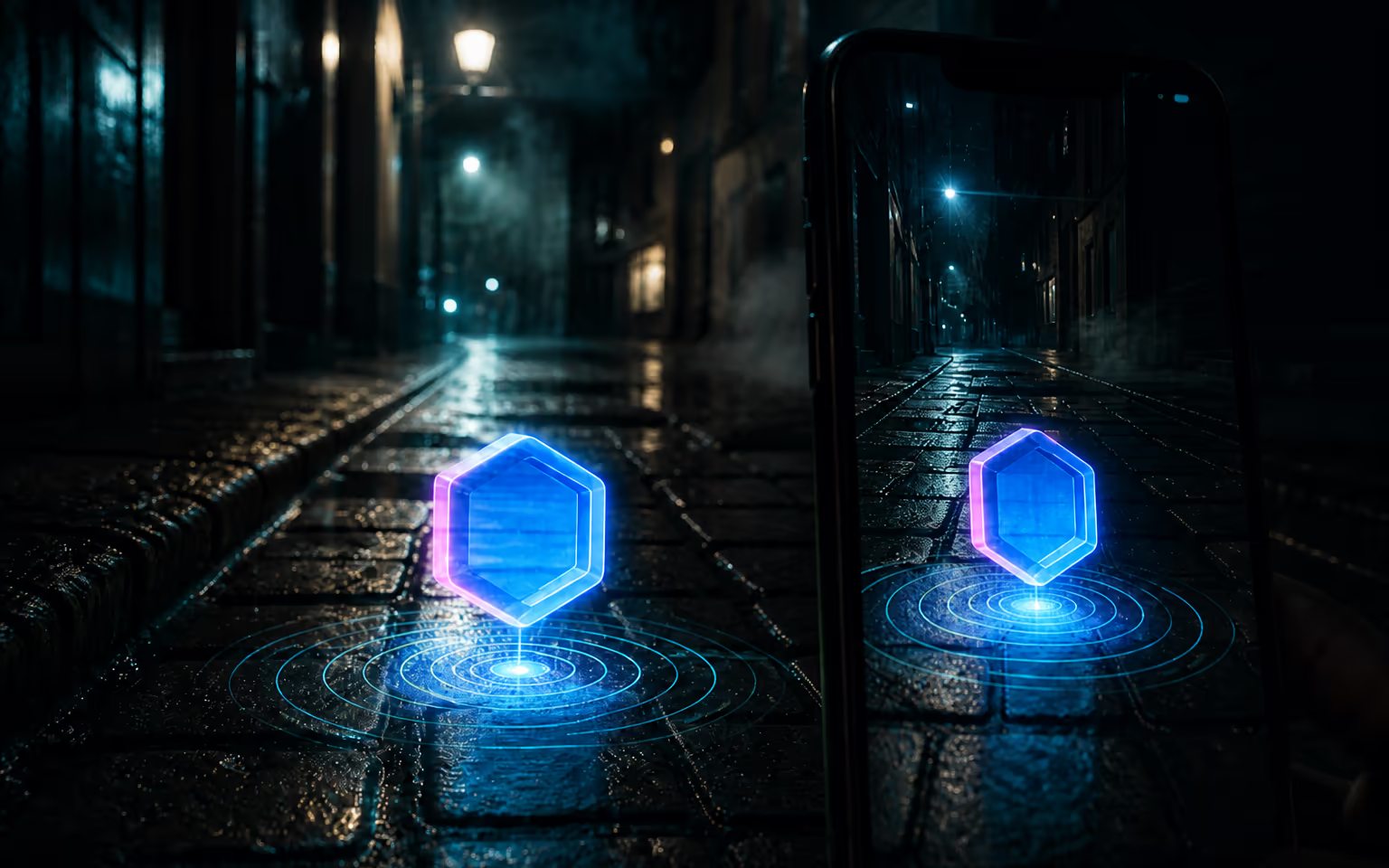
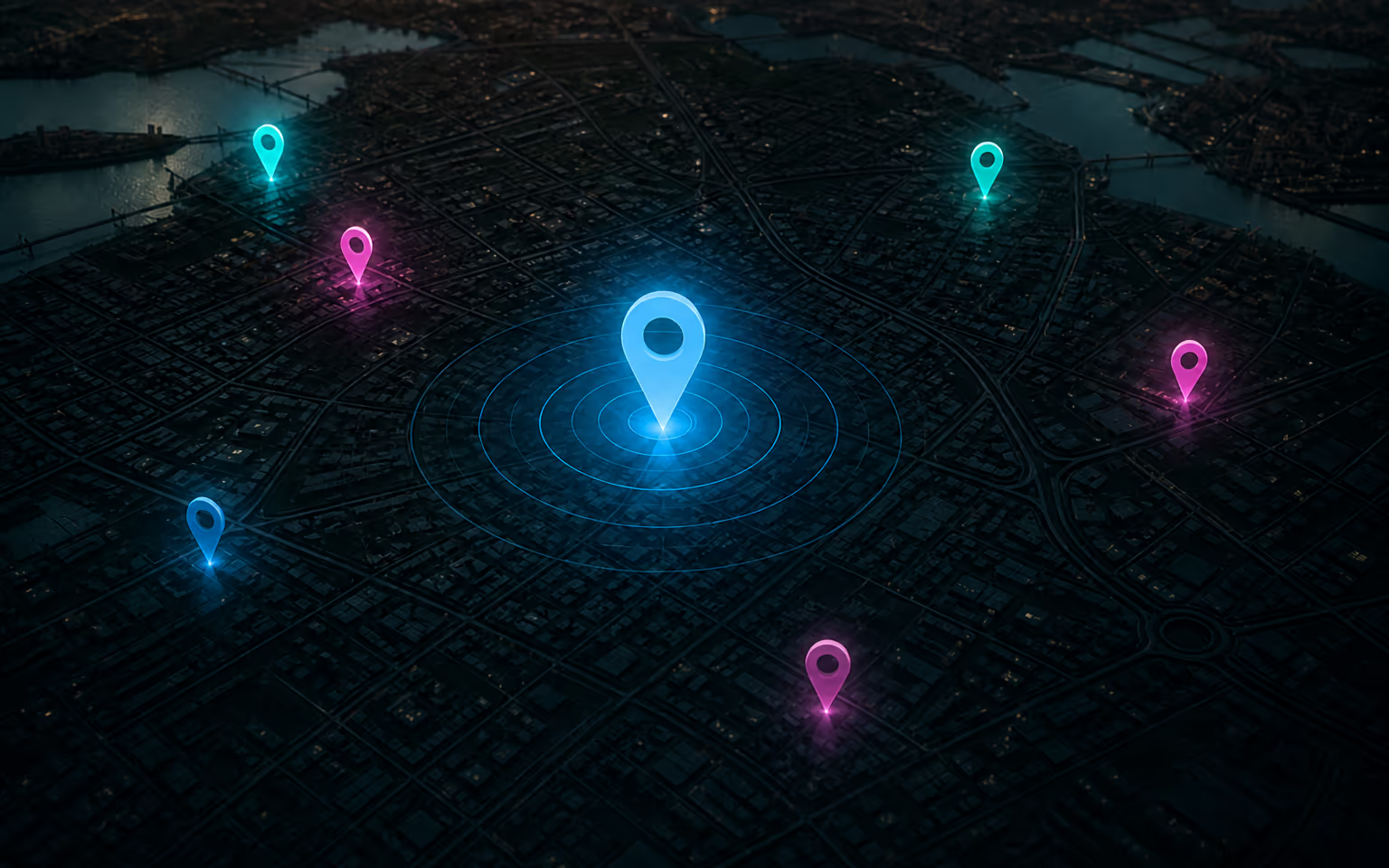
Seekprotocol. Das bauen wir selbst, lies den Absatz also mit diesem Wissen. Seekprotocol kommt der Form von Pokémon Go am nächsten, eine Karte, eine Kamera, eine AR-Begegnung an echten Koordinaten, aber die Objekte, die du sammelst, landen in deiner eigenen Wallet auf Solana. Ein limitierter Drop einer Marke, die du magst, ist ein Token in deiner Wallet; ein seltenes Sammelobjekt eines Seek-Publishers ist ein NFT, das dir gehört; der Coin, den du im Park um die Ecke gefunden hast, ist übertragbar. Die Wirtschaft ist offen, und genau das fehlt den geschlossenen Spielen. Es läuft auf iOS und Android und ist kostenlos. Hier geht es zur App.
Ingress Prime. Niantics eigenes, älteres und anspruchsvolleres Spiel, von dem ihre ganze Designphilosophie ausging. Zwei Fraktionen erobern und verteidigen Portale; die Wege sind länger, die Community ist dichter, die taktische Ebene ist tiefer als bei allem anderen auf dieser Liste. Es gibt keine Belohnung, die du aus der App mitnehmen kannst, und das passt, denn die Belohnung für Ingress-Spieler war schon immer das Spiel um Territorium. Wenn du Teams magst und gerne acht Kilometer läufst, um ein Portal zu verteidigen, ist das das Spiel, das seine Leute am längsten gehalten hat.
Harry Potter: Wizards Unite. Nicht mehr spielbar, Niantic hat es 2022 eingestellt. Es steht hier, weil ein großer Teil der Leute, die nach Pokémon Go Alternativen suchen, eigentlich gezielt nach Wizards Unite sucht und nicht mitbekommen hat, dass es weg ist. Falls das auf dich zutrifft: Am nächsten kommt dem heute wohl Peridot, wenn es dir um das Sammeln und Aufziehen von Kreaturen geht. Für die Kombination aus bekannter Marke und Geschichte gibt es unter den aktuellen AR-Titeln keinen echten Ersatz. Diese Lücke ist der Grund, warum Warner Bros. immer wieder gefragt wird, was als Nächstes kommt.
Jurassic World Alive. Das Dinosaurier-Pendant zu Pokémon Go, entwickelt von Ludia, mit einer stärkeren PvP-Szene als das Original. Geschlossene Wirtschaft, aber der Kern-Loop ist ausgefeilter als bei den kleineren Pokémon-ähnlichen Konkurrenten. Einen Versuch wert, wenn dir das Sammeln am meisten Spaß gemacht hat und du es länger nicht mehr ausprobiert hast.
Peridot. Niantics Version eines Tamagotchi-artigen Begleiters in AR. Du ziehst eine Kreatur auf, nimmst sie an echte Orte mit, und sie entwickelt sich je nachdem, wohin du gehst. Es bedient ein anderes Bedürfnis als Pokémon Go, Pflegen statt Sammeln, aber der Spaziergang ist derselbe, und es ist ehrlich gesagt eines der schönsten AR-Spiele, die es gibt.
Draconius GO und Landlord GO. Zwei der erfolgreicheren Pokémon-Klone, die ihr erstes Jahr überlebt haben. Draconius Go setzt auf Fantasy und PvP; Landlord Go ist ein ortsbasiertes Immobilienspiel: Du kaufst virtuelle Ansprüche auf echte Gebäude und verdienst an den Passanten. Beide haben geschlossene Wirtschaften und bleiben kleiner als die Spiele oben, aber beide haben für das, was sie tun, eine wirklich treue Spielerschaft.
Genesis of Fate. Ein neuerer Titel mit einem stärkeren RPG-Loop und ruhigerem Tempo; einen Blick wert, aber es sucht noch sein Publikum. Und Pikmin Bloom, ebenfalls von Niantic. Es verwandelt deine Schritte in einen Garten voller Pikmin, die dir folgen. Weniger Spiel, eher eine Wellness-App mit Charme. Wenn dir an Pokémon Go vor allem das Draußensein gefallen hat und weniger das Fangen, bekommst du bei Pikmin Bloom mehr davon.
Geocaching. Fünfundzwanzig Jahre alt, läuft immer noch, ist immer noch aktiv. Der älteste Vorfahr von allem auf dieser Liste: einen physischen Behälter verstecken, einen Fund loggen. Technisch hat es nichts mit Pokémon Go gemeinsam, aber vom Zweck her ist es genau dasselbe: Es bringt dich an einen Ort, an den du sonst nie gegangen wärst. Die Community ist kleiner als 2015, aber sie ist tief verwurzelt, und die Caches liegen immer noch da draußen. Wenn du eines der modernen Spiele spielst, such an einem Wochenende einen klassischen Geocache in deiner Stadt und schau, welches Format sich für dich besser anfühlt. Oft hängt es vom Weg ab.
Welches Spiel passt zu wem? Eine grobe Orientierung. Wenn du das willst, was Pokémon Go am nächsten kommt, aber mit einer echten Wirtschaft darunter: Seekprotocol. Wenn du das tiefste taktische Spiel willst: Ingress Prime. Wenn es dir gezielt um das Sammeln mit besserer AR geht: Peridot oder Jurassic World Alive. Wenn du Gehen als Wellness willst: Pikmin Bloom. Wenn du ein völlig anderes Format ausprobieren willst, das älter ist als alles andere: Geocaching.
Keines davon ersetzt Pokémon Go in dem, was Pokémon Go am besten kann: das Spiel zu sein, das deine ganze Verwandtschaft schon spielt. Die installierte Basis ist der Burggraben. Wer heute anfängt, wird wahrscheinlich trotzdem mit Pokémon Go beginnen und später ein zweites Spiel dazunehmen, wenn die Decke sichtbar wird. Das ist in Ordnung. Zwei AR-Spiele im Wechsel sind eine angenehme Zahl, und jede der Alternativen oben eignet sich gut als zweites.
Für 2027 lohnt es sich, zwei Dinge im Blick zu behalten. Hardware: Apples Vision-Reihe und Metas nächste Brillengeneration nehmen beide das Handy aus dem Kamerabild, und das wird verändern, wie ein gutes AR-Spiel auf der Interaktionsebene aussieht. Und die Ökonomie der Blockchain: Je mehr Spiele Belohnungen on-chain abwickeln und das, was ein Spieler sammelt, als mitnehmbaren Wert behandeln, desto schwerer wird sich das Problem der geschlossenen Wirtschaft verteidigen lassen, das diese ganze Suchkategorie angetrieben hat.
Wenn du gern läufst, lauf weiter. Das Genre ist endlich groß genug, dass es auf die Frage im Titel mehr als eine gute Antwort gibt, und es lohnt sich, zwei oder drei der oben genannten Spiele auszuprobieren, bevor du dich festlegst. Unseres findest du hier. Die anderen sind nur eine Suche entfernt.